


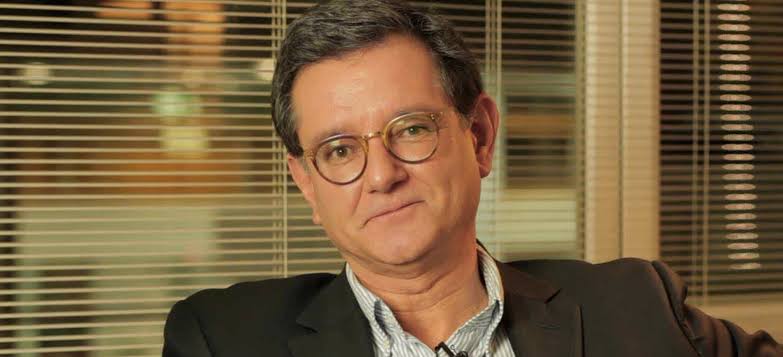
Juba, South Sudan – A senior international commissioner has accused South Sudan’s elite of siphoning off billions in oil revenues, directly fueling the country’s grinding civil conflict and depriving citizens of basic services.
“South Sudan’s conflict is fuelled by corruption,” declared Commissioner Carlos Castresana Fernández, a Spanish prosecutor leading an anti-corruption oversight body. “The money that should build the nation is stolen before it reaches the people.”
South Sudan, the world’s youngest nation, earns nearly all its revenue from crude oil exports—estimated at $4–5 billion annually in peak years. Yet hospitals across the country report chronic shortages of medicines, schools operate without qualified teachers, and government soldiers often go months without salaries, pushing some to desertion or looting.
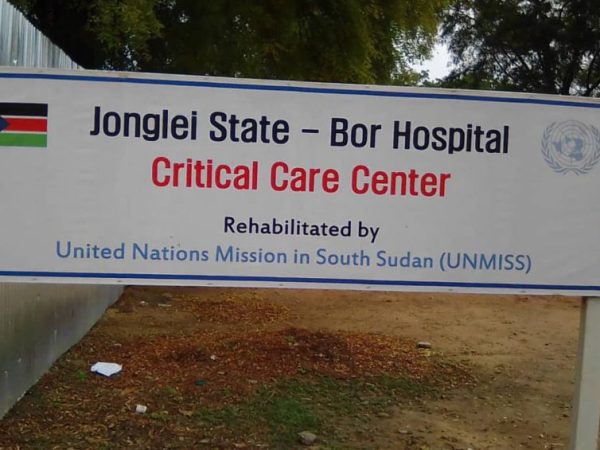
In the capital Juba, the central hospital has run out of essential drugs like antibiotics and malaria treatments for weeks. “We turn away mothers in labor because we have no gloves or IV fluids,” said a senior nurse who spoke on condition of anonymity.
Teachers in rural areas describe classrooms with up to 120 students and no textbooks. “Children sit under trees because there are no buildings—and even then, we aren’t paid,” one educator in Yei told reporters.
Unpaid salaries have also hit the military hard. Soldiers stationed along volatile frontlines say they haven’t received wages in six months. “How can we fight for a government that doesn’t feed our families?” one officer asked.
Commissioner Fernández’s remarks come amid mounting pressure on President Salva Kiir’s administration to account for missing funds. A 2023 African Union report estimated that up to 40% of oil revenue has been diverted since independence in 2011.
Despite signing a 2018 peace deal, sporadic fighting continues between government forces and rebel groups, often over control of oil-rich regions. Analysts say corruption sustains the war by enriching warlords while impoverishing recruits.
The United Nations has warned that South Sudan faces a “catastrophic” hunger crisis, with 7.1 million people—over 60% of the population—facing acute food insecurity.
International donors, who fund nearly all humanitarian aid, are growing impatient. “We cannot keep paying for a system that steals from its own people,” said a Western diplomat in Juba.
President Kiir’s office did not respond to requests for comment. But government spokespeople have previously blamed sanctions, low oil prices, and rebel sabotage for the financial crisis.
As oil pumps continue to run in Upper Nile and Unity states, the question remains: where is the money going? For millions of South Sudanese, the answer is painfully clear—it’s not reaching them.



 The Malakal Press
Leave a comment