


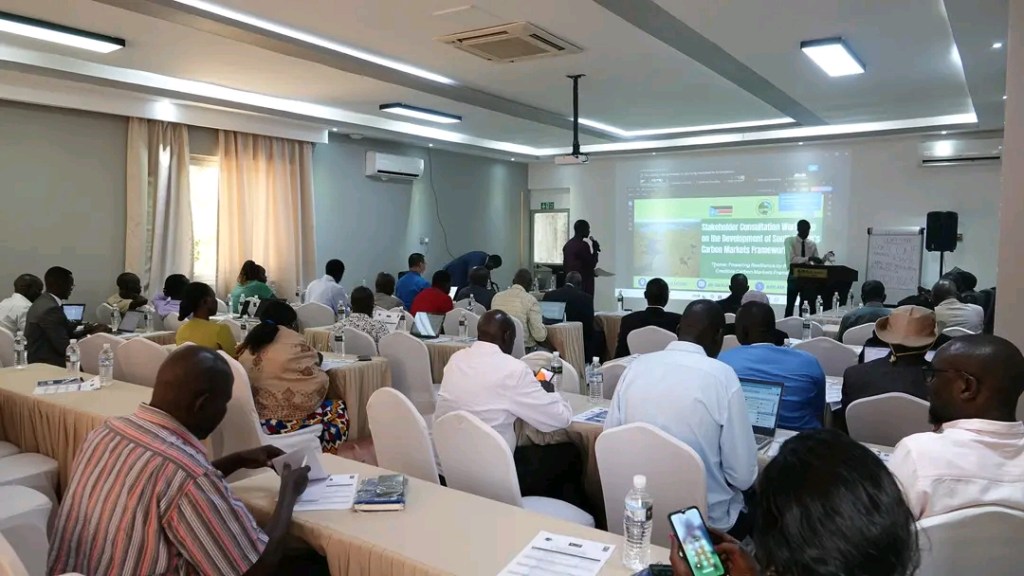
Juba, South Sudan – In a significant step toward addressing climate change and fostering sustainable development, the Ministry of Environment and Forestry, in partnership with the United Nations Development Programme (UNDP) South Sudan, has launched a three-day stakeholder consultation workshop to develop the country’s first Carbon Markets Framework.
The initiative, which began on August 26, 2025, aims to align South Sudan’s climate mitigation efforts with international standards while promoting economic growth through carbon credit trading.
The workshop brings together government officials, environmental experts, private sector representatives, and civil society to design a framework that supports South Sudan’s commitments under Article 6 of the Paris Agreement. This article facilitates international cooperation in carbon markets, enabling countries to trade carbon credits to meet their climate targets while attracting green investments and boosting private sector engagement.
Aligning with National and Global Priorities
South Sudan’s Carbon Markets Framework is being crafted to reflect the country’s mitigation priorities, focusing on reducing greenhouse gas emissions while ensuring transparency, accountability, and environmental integrity. By leveraging carbon markets, South Sudan aims to generate and trade carbon credits, creating new revenue streams to support national development goals, including poverty reduction, infrastructure development, and environmental conservation.
“Carbon markets offer a unique opportunity for South Sudan to address climate change while driving sustainable economic growth,” said a representative from the Ministry of Environment and Forestry. “This workshop is a critical step in ensuring our framework meets global standards and serves the needs of our people.”
A Collaborative Approach
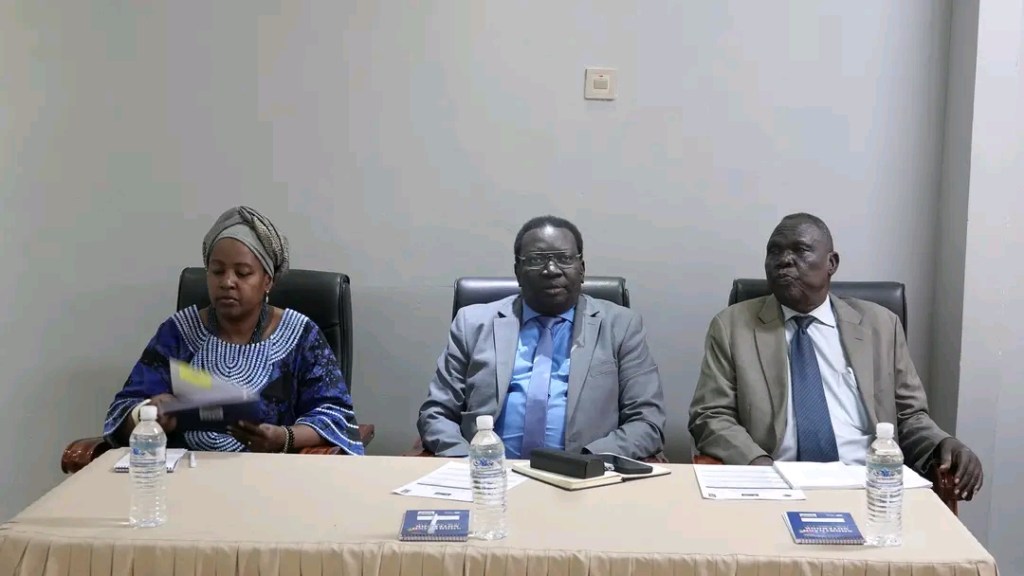
The consultation workshop emphasizes inclusive dialogue, with stakeholders discussing strategies to integrate carbon markets into South Sudan’s broader climate and development agenda. Key topics include establishing robust mechanisms for carbon credit generation, ensuring equitable benefit-sharing, and building capacity for effective market participation.
UNDP South Sudan is providing technical expertise and facilitating discussions to ensure the framework aligns with international best practices. “By developing a transparent and accountable carbon markets system, South Sudan can attract green investments and contribute to global climate goals,” said a UNDP spokesperson.
Supporting Global Climate Goals
Under the Paris Agreement, carbon markets play a pivotal role in helping countries achieve their Nationally Determined Contributions (NDCs) by enabling voluntary cooperation. For South Sudan, a country vulnerable to climate impacts such as flooding and drought, participation in carbon markets offers a pathway to finance climate-resilient projects and enhance private sector involvement in sustainable development.
The workshop’s outcomes are expected to lay the foundation for a national carbon market strategy that positions South Sudan as a leader in climate action within the region. By prioritizing environmental integrity and accountability, the framework aims to build trust among investors and international partners.
Looking Ahead
As the consultation progresses, stakeholders are optimistic about the potential for carbon markets to transform South Sudan’s approach to climate change. The finalized framework will guide the country’s engagement in global carbon trading, ensuring that environmental and economic benefits are realized while upholding the highest standards of transparency.
The Ministry of Environment and Forestry and UNDP South Sudan have reaffirmed their commitment to ongoing collaboration, with plans to engage additional stakeholders and refine the framework in the coming months. This initiative marks a significant milestone in South Sudan’s journey toward a greener, more sustainable future.






 The Malakal Press
Leave a comment